Pages

Showing posts with label recipe. Show all posts

Friday, September 30, 2011

Glorious mushrooms, wild and tame

The end of the summer is usually met with mixed feelings, some of you will say that they don’t remember a summer at all this year but that is another story. For chefs just as summer starts by bringing lots of different ingredients, think peas, broad beans, asparagus, jersey royals, new season lamb to name a few, so does Autumn.

Squashes, celeriac, chestnuts, partridges, quince and pheasant are suddenly available or become available over the season. The focus also changes from light fresh food to food with more of a comfort feel. You would not want to see heavy braised dishes in summer but on a cold day stews and braises are a must.
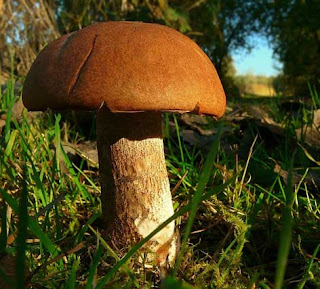
Autumn is the best time for wild mushrooms, when damp conditions tend to suit the funghi. Varieties such as golden chanterelle, penny bun, horse mushroom, cones of death and others become more plentiful. Foraging has become more and more popular over recent years with celebrity chefs extolling the virtues of “free food “and in this case mushrooms. Picking mushrooms does have a dangerous edge to it, there are apparently over 383 species of poisonous mushrooms in the UK with 19 of those classified as deadly. If you don’t fancy playing mushroom Russian roulette then having a good knowledge is essential. Alternatively find a good supplier or forager to do the hard work for you.

Most supermarkets now stock lots of different species of mushrooms now and shopping baskets are being filled with new varieties rather than button or field mushrooms. We use a company called Fundamentally Fungus, they grow organic varieties of mushroom from the common oyster mushroom to the less common Japanese varieties like enoki and nameko. Using different mushrooms adds texture, colour and flavour to a dish.

My favourite mushroom has to be the penny bun although you will probably have heard of it by either its Italian name, porcini or its French one, cep. The penny bun has a delicate enough aroma to flavour a sauce and yet will stand up to all meats and fish. I like to have them fried on toast with a fried duck egg. This is a simple approach to mushrooms that I prefer but other chefs like to adopt a more radical approach.

Claude Bosi a 2 Michelin star chef of Hibiscus restaurant in Mayfair had a sweet Cep tart on the menu when I went last year. He uses short crust pastry filled with a sweetened cep puree. The result is a sort of earthy under sweet tart which was not to my taste although I understand it is a bit of a signature dish for him.

We tend to use a mixture of wild and tame mushrooms in a vegetarian version of suet pudding with the addition of dried cranberries. This proves very popular at this time of year and would work well as a vegetarian alternative to Christmas dinner.


Fried Penny Bun and Duck Egg on Toast

Serves 4

4 tbsp veg oil

1 diced shallot

1 clove chopped garlic

250g fresh penny bun thickly sliced

2tbsp chopped parsley

4 slices good bread toasted

4 duck eggs

Knob butter

Heat a non stick pan with 3 tbsp oil, add the mushrooms and fry gently until golden brown, add the shallots, garlic, parsley and butter, toss together for a minute and season well. Divide the mixture on to the toast slices. Wipe the pan clean and heat the remaining oil, fry the duck eggs and place on top of the mushrooms.


Mixed Mushroom Suet Pudding with Dried Cranberies and Port

Suet pastry

450g self raising flour

225g vegetable suet

Pinch salt

Cold water

Mix the flour, salt and suet in a bowl at room temperature, slowly add cold water until a smooth elastic dough is achieved, cover with cling film and leave to rest. Once rested roll out to half cm thick and line your preferred buttered and floured mould, roll out any left over pastry to form the lid.

Filling

100g dried cranberries soaked in ruby port

1 onion chopped

1 clove garlic

2 kg mixed mushrooms

25 g butter

250ml double cream

2 tbsp chopped parsley

Sprig thyme

3tbsp oil

In a heave bottomed pan heat the oil and fry the mushrooms until golden, put in a colander to drain over a bowl, add the butter to the pan and sweat the onion, thyme and garlic, once softened add the cranberries and port and cook until the port has evaporated, add the cream and any juice that has come out of the mushrooms. Reduce the liquid until it coats the back of a spoon then season and add the parsley and mushrooms, remove the sprig of thyme and leave the mixture to cool.

Spoon your mixture into the lined mould, if the mixture is too wet then drain a little juice off to use as a sauce (depending on what mushrooms you use will depend on how much sauce you have) cover with the pastry lid, cover with cling film and steam for 30 minutes, turn out and serve.

For more recipes see http://gingermanrestaurants.com/


Wednesday, October 6, 2010

Do We Eat Enough Seafood?

When you read the papers you get the feeling that seafood stocks are being over fished and that one of our most important food resources is being destroyed. Is this the case or is it that we do not eat enough of the right seafood?

Two thirds of the world’s surface is covered with sea and we are told that we know more about the Moon than we do about our oceans. Man has fished for over 25,000 years and fish has always had a special place in our history right up to the present day with “fish and chips” being still a very popular dish.

At The Gingerman we buy the majority of our fish from a company called P.H.Fish which is based in Hastings. Hastings is one of the oldest fishing ports dating back a thousand years and Hastings boasts the largest beach launched fleet in the UK.


P.H.Fish is a company run by Paul Hodges, he has a catamaran called The Amadeus which goes out almost every day. The Amadeus is a 10 meter boat which is not very big but because of the type of nets they use she is able to land, and therefore sell all that they catch. This is not something that all boats can do with many of the larger boats throwing away up to half of their haul because it has either been crushed in the nets or because they cannot sell the fish on land. P.H.Fish was awarded a sustainability award by the MSC or marine stewardship council for the sustainable methods of fishing.

All our head chefs get text messages from the fishing boat detailing what has been landed and from that they work out the specials boards before the fish arrives on the premises. When we change the monthly menus we speak to the fishermen to determine what is in season and what will be readily available and then write the menus accordingly.
We try hard to introduce lesser known varieties of fish to menus in order to try to take the pressure off fish like Cod and Haddock with different degrees of success. Fish like Pollock, Hake, Gurnard, Whiting, Slip Soles and Coley are all delicious but they need to be cooked well and be treated with respect.


The trouble with lesser known fish is that the public will not necessarily order them in a restaurant as they would Cod or Sea bass. The job of the front of house is to “hand sell” these fish in the same way that they would Ox tail, Grouse or Crispy Pigs Head on the meat side of the menu or a Riesling or Gewurztraminer wine on the wine list. This allows the restaurant to sell more unusual ingredients and for the customer to discover something new. A very good example of this is Monkfish, which 15 years ago was used as either cheap Scampi or cat food but today is one of the most popular and therefore most expensive fish you can get.

So do we eat enough fish in this country? The evidence is probably no but we are improving. We currently export 80% of what we catch to countries like France, Spain and Portugal. Many people I know say that they don’t even like fish. I am convinced that people go off fish when they are young, they don’t like the bones or the eyes looking at them or maybe they were brought up on over cooked fish which let us be honest is pretty awful. The same might be said of Liver with a generation put off by grey grainy overcooked Liver.

My 5 year old daughter will eat raw salmon in a Japanese restaurant (or pink fish as she calls it) without a second thought. She will also tuck into a bowl of mussels without a problem. Is this a case of her being innocent enough to try something without any inhibitions? And if a 5 year old can enjoy raw fish why can’t a 25 year old?

In my book there are 2 general rules when it comes to fish, freshness and simplicity. Buy the freshest fish possible and cook it simply. Hugh Fearnley-Whittingstall talks of eating freshly caught Mackerel poached in sea water on the beach with his hands from a driftwood plate.

Japanese fishermen often eat a little of their catch raw on the boat while at sea with a little soy sauce and wasabi.

For the home cook fresh fish just fried with a little butter and lemon is as good as it gets. I have written two recipes below for you to try at home. The Tikka monkfish is a great dish if you are not that keen on fish because the monkfish is meaty and has no bones to worry about. The spice gives a little kick but the Raita calms that down. It is also a dish that works as a starter or in Pitta bread for a snack. The Salt Cod Croquettes are simply delicious as either a starter with salad or as a canapé with drinks. Both dishes are very popular at the restaurants.

Salt Cod Croquettes with Wild Garlic and Aioli


Makes about 30 croquettes depending on size
200g cod fillet
Course sea salt (enough to cover the cod)
60g strong flour
150ml water
50g unsalted butter
2 large eggs
4 wild garlic leaves chopped
Pinch cayenne pepper

For the Aioli
2 egg yolks
1 tsp Dijon mustard
150ml vegetable oil
150ml olive oil
2 cloves crushed garlic
Pinch saffron infused in warm water
Juice of 1 lemon

Place the cod on a plate and cover with the sea salt, put in the fridge for at least 6 hours or overnight. Wash the salt off the cod and poach the cod in a little milk, drain the cod and discard the milk. Flake the fish and set aside. Bring the water and butter to the boil together in a saucepan, add the flour and stir rapidly, keep the dough mixture on the heat for 2 minutes and set aside to cool down. Once cool add the eggs slowly one at a time. If you have a mixer then that will work best. Once the eggs are added, fold in the flaked fish, the wild garlic and cayenne. Do not season the mix as there will be enough salt from the cod.

Heat a pan of oil to 170 degrees (or use a deep fat fryer) and drop small spoons of croquette mix into the oil. Fry until golden brown and drain on kitchen paper.
For the Aioli place the yolks, mustard, saffron, lemon juice and garlic in a food processor. Slowly pour both the oils onto the yolks mixture slowly and steadily while the food processor is running until a smooth mayonnaise is formed, season with salt and pepper.

Simply dip the croquettes in the Aioli and eat or Serve several Croquettes with some dressed leaves and a pot of Aioli as a starter.

Posted by Ben Mckellar